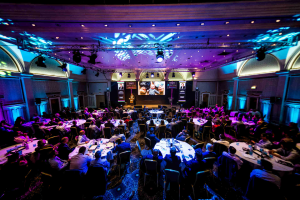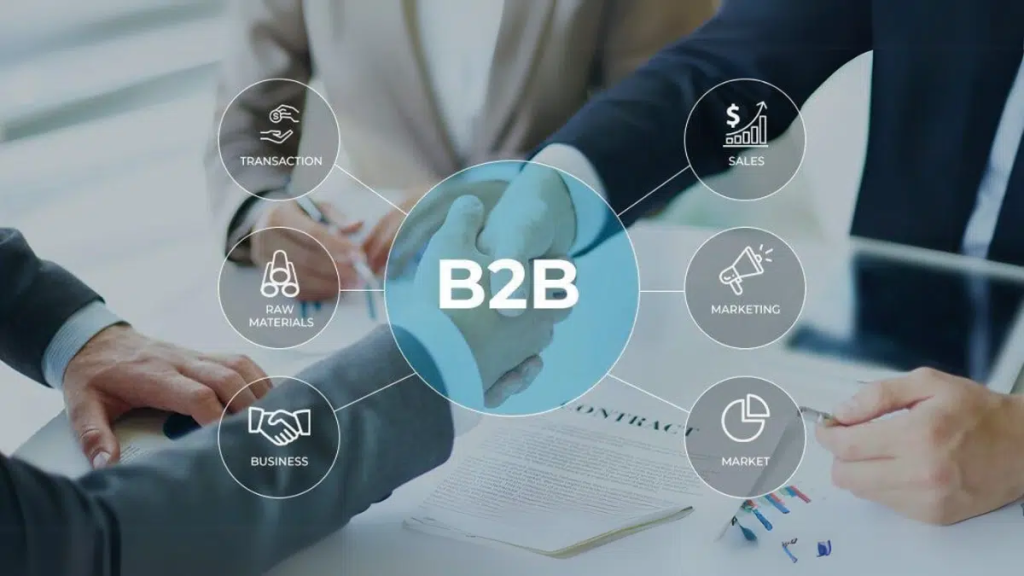
When it comes to building meaningful business relationships, few strategies work better than face-to-face interaction. And that’s exactly where B2B roadshows come in. Unlike large trade shows or online campaigns, roadshows allow your brand to meet potential clients in smaller, more focused environments — making every conversation count.
Whether you’re launching a new service, educating partners, or simply looking to generate high-quality leads, a well-executed roadshow activation can deliver measurable results. But success doesn’t just happen — it requires strategy, structure, and a lot of planning.
Here’s a step-by-step guide to help you plan a B2B roadshow that makes an impact.
What Are the Key Objectives of a B2B Roadshow?
Before you design a single booth or pick a venue, you need to define your roadshow objectives. These goals will shape every decision — from the content you share to the people you invite.
Common B2B roadshow goals include:
- Generating qualified leads
- Demonstrating new products or services
- Strengthening relationships with existing clients
- Gathering feedback from industry stakeholders
- Building local visibility in new markets
Clear objectives help keep your team aligned, your message focused, and your results measurable. Without them, even the most creative setup can miss the mark.
How Do You Choose the Right Locations and Format?
Unlike one-size-fits-all events, roadshows give you flexibility. You can plan a half-day workshop in one city and a networking breakfast in another. The format and location should match your roadshow objectives and your target audience.
Here’s what to consider:
- Client density: Choose cities where you already have prospects, partners, or customers.
- Accessibility: Pick venues that are easy to get to — think business hotels, co-working spaces, or conference rooms in central areas.
- Format: Will it be a panel discussion? A product demo session? A mini training event? Your format should support interaction, not just presentation.
Don’t forget local touches — tailoring content or language to each city helps your message resonate more deeply.
What Makes a Roadshow Activation Stand Out?
An effective roadshow activation should go beyond logos and slide decks. This is your chance to bring your brand to life in a way that feels personal and relevant.
Here’s how to stand out:
- Customize content: Make sure your message speaks directly to the audience in the room. Avoid generic sales pitches.
- Use hands-on demos: If you have a physical product or software, let attendees test it on the spot.
- Train your team: Every person at your event — from speakers to greeters — should understand your value proposition and how to engage attendees.
- Incorporate storytelling: Case studies, client success stories, or even a live testimonial can help connect the dots.
Memorable roadshows often come down to one thing: human connection. The more your attendees feel heard and understood, the more successful your event will be.
How Can You Come Up with Roadshow Ideas That Engage?
Great roadshow ideas start with your audience. What do they care about? What challenges are they facing? What would make them take time out of their busy day to attend your event?
Here are a few ideas that have worked well for B2B audiences:
- Executive roundtables: Small-group discussions with key decision-makers.
- Industry trend sessions: Share insights on upcoming shifts in the market and how your solution fits.
- Live customer panels: Let existing clients talk about their experience with your product or service.
- Interactive zones: Touchscreens, VR demos, or product walkthroughs that people can explore at their own pace.
- Co-branded events: Partner with another business that serves the same audience to expand your reach.
The goal is to offer real value — not just information, but insights, access, and experience.
What Should You Do After the Roadshow Ends?
A roadshow’s impact doesn’t stop when the chairs are folded and the banners packed away. What you do next matters just as much as what you did on-site.
Here’s your post-event checklist:
- Follow up quickly: Send personalized emails, thank-you notes, and event recaps while your brand is still fresh in attendees’ minds.
- Share key takeaways: Create a short report or video summarizing the insights from the event. It shows thought leadership and keeps the conversation going.
- Track performance: Compare your results to the original roadshow objectives. Look at lead quality, meeting requests, and sales pipeline impact.
- Debrief with your team: Discuss what worked, what didn’t, and what you’d do differently next time.
This reflection helps you refine your approach and improve ROI with every future roadshow.
FAQs About Planning B2B Roadshows
1. How far in advance should I start planning a B2B roadshow?
Ideally, start planning 8–12 weeks before your first stop. This gives you enough time to finalize venues, coordinate logistics, prepare content, and promote effectively.
2. What’s the ideal number of cities or stops for a B2B roadshow?
There’s no magic number. Some brands start with 3–5 cities, especially if they’re testing new markets. Quality of engagement is more important than quantity of locations.
3. Do I need a full production setup for each roadshow stop?
Not at all. Keep things streamlined. A simple, well-branded setup with strong content and a great team can outperform a flashy display that lacks substance.
Ready to turn your B2B roadshow into a growth engine?
MENT ADS can help you plan and execute a customized roadshow that aligns with your goals, speaks to your audience, and delivers results. Whether you need creative roadshow ideas, expert planning, or full activation support — we’ve got you covered.